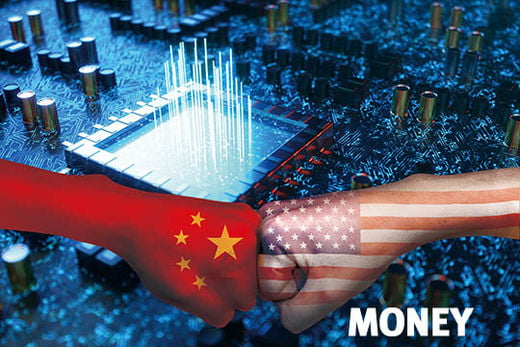
The Impact of US Sanctions on the Semiconductor Industry in China
The semiconductor industry has become a critical sector in the modern global economy, and the United States is one of the leading nations in this industry. However, the US government's recent sanctions on the semiconductor industry have had significant impacts on China's economy, which heavily relies on imported semiconductors. In this article, we will examine the impact of US sanctions on the semiconductor industry in China and its economy.
Introduction
The US government has recently imposed sanctions on the semiconductor industry, which has affected China's economy. This article aims to explore the impact of these sanctions on China and the semiconductor industry.
Countries that have participated in the Sanctions
The United States has been at the forefront of imposing sanctions on China's semiconductor industry. In 2019, the US Commerce Department added Huawei Technologies to its "Entity List," prohibiting US companies from selling technology to the company. This move had significant implications for China's semiconductor industry, as Huawei was a major customer of US chipmakers.
The European Union has also imposed sanctions on China's semiconductor industry. In March 2021, the EU imposed sanctions on four Chinese officials responsible for human rights abuses in Xinjiang. These sanctions included travel bans and asset freezes, as well as a ban on the export of equipment used for surveillance and repression. This move had
implications for China's semiconductor industry, as it relies heavily on European equipment.
Australia has also imposed sanctions on China's semiconductor industry. In November 2020, Australia passed the Foreign Relations Bill, which gave the government the power to veto any agreement between a state or territory and a foreign government. This move was seen as a response to China's growing influence in the Pacific region and its aggressive economic diplomacy. These sanctions have implications for China's semiconductor industry, as it relies heavily on Australian resources.
The Effect of Sanctions on China's Semiconductor Industry
The sanctions imposed by the US government have had a severe impact on China's semiconductor industry. The China Semiconductor Industry Association has called on the US government to reverse its decision and return to international trade negotiation processes.
The restrictions imposed on Russia have further exacerbated the problem by blocking its access to global exports of goods from chips to computers and electronics, which is likely to accelerate China's need to produce its own chips.

The Impact of Sanctions on China's Economy
The sanctions have had a ripple effect on China's economy, which is heavily reliant on the semiconductor industry. The restrictions have forced Chinese companies to look for alternative suppliers, resulting in an increase in the cost of production. The rise in production costs has led to a decrease in profit margins, which has negatively impacted the economy. Moreover, the restrictions have limited China's ability to compete with the US and other countries in the semiconductor industry, which is crucial for economic growth and development [2].
According to Statista, the size of the semiconductor market in China was valued at 684.51 billion yuan in 2020 and is projected to reach 1.21 trillion yuan by 2025, representing a CAGR of 12.1% from 2021 to 2025. The market size of semiconductor equipment in China was estimated to be 119.6 billion yuan in 2021 and is projected to reach 133.3 billion yuan in 2022, representing a YoY growth rate of 11.5% [1].
In addition to these statistics, an article in Time highlights the unintended consequences of US sanctions on Chinese semiconductors. The article notes that the sanctions have actually helped China's chipmaking industry to become more self-sufficient and less reliant on US technology. As a result, China has been able to accelerate its efforts to develop a domestic semiconductor industry and reduce its dependence on foreign suppliers [2].
However, the cost of achieving self-sufficiency in the semiconductor industry is significant. According to a joint report by the Semiconductor Industry Association (SIA) and BCG, achieving fully self-sufficient local supply chains would require at least $1 trillion in upfront investment and incur $45 to $125 billion in incremental recurrent annual operational costs for the entire industry. Furthermore, the report estimates that achieving self-sufficiency would result in a 35 to 65 percent overall increase in chip costs [3].
In conclusion, the statistics provided by Statista highlight the significant size of the semiconductor market in China, while the article in Time and the report by the SIA and BCG provide insights into the impact of US sanctions on Chinese semiconductors. The unintended consequences of these sanctions have resulted in China becoming more self-sufficient in chipmaking, but achieving full self-sufficiency comes at a significant cost.
China's Response to the Sanctions
In response to the sanctions, China has been investing heavily in its domestic semiconductor industry. The country has set up various semiconductor foundries and is working towards creating a self-sufficient semiconductor industry. Additionally, China has increased its spending on research and development, which has resulted in technological advancements in the industry. Moreover, China has been forging partnerships with other countries to expand its access to the latest semiconductor technologies.
Conclusion
The US sanctions on the semiconductor industry have had a significant impact on China's economy and the semiconductor industry. The restrictions have forced China to accelerate its efforts to create a self-sufficient semiconductor industry. However, the process of developing a domestic industry takes time, and China still heavily relies on imported semiconductors. Therefore, the impact of the sanctions is likely to continue to be felt for years to come.
FAQs
- What led to the imposition of US sanctions on the semiconductor industry? The US government imposed sanctions on the semiconductor industry due to concerns over national security.
- What is the impact of US sanctions on China's economy? The sanctions have had a negative impact on China's economy, resulting in an increase in production costs and decreased profit margins.
- How has China responded to the sanctions? China has been investing heavily in its domestic semiconductor industry, setting up various semiconductor foundries, and increasing its spending on research and development.
- What are the long-term effects of the sanctions on China? The impact of the sanctions is likely to continue to be felt for years to come, as China still heavily relies on imported semiconductors.
'Tech Trend' 카테고리의 다른 글
| The 5 Biggest Issues IT Faces Today and How to Respond Appropriately (0) | 2023.03.24 |
|---|---|
| US Sanctions on China TikTok (0) | 2023.03.24 |
| Galaxy Fold 5 and Galaxy Z Flip 5: Features and Expectations (0) | 2023.03.21 |
| Top U.S. Experts Explain SVB Bankruptcy (0) | 2023.03.17 |
| DGIST Develops a Robot Hand with Human-like Precision and Flexibility (0) | 2023.03.14 |


